16. Planning Q4 Campaigns That Actually Convert
CONTENT & MARKETING | 4 min read
A lot of businesses leave Q4 marketing too late, then wonder why everything feels rushed and underwhelming. Good campaigns usually start with clarity long before the launch week arrives.

Q4 has a strange effect on businesses.
Suddenly everyone wants:
better sales
stronger campaigns
more visibility
and a big finish to the year
But most Q4 marketing problems actually begin much earlier than October.
I think a lot of businesses approach Q4 backwards.
They start with:
discount ideas
social posts
Black Friday graphics
Christmas offers
or random campaign concepts
before they’ve properly clarified what the campaign is actually supposed to achieve.
And this is where the confusion usually starts.
Because a campaign without a clear purpose quickly turns into a lot of activity without much momentum underneath it.
The first question is: what is this campaign actually trying to do?
On the surface, most businesses say:
“We want more sales.”
Which is fair.
But the deeper objective usually falls into one of a few categories:
attract new customers
increase repeat purchases
improve awareness
launch something new
strengthen customer loyalty
clear stock
increase average order value
or create momentum going into the new year
That distinction matters because different goals require different kinds of campaigns.
For example:
awareness campaigns need repetition and visibility
conversion campaigns need clarity and urgency
loyalty campaigns need trust and relationship-building
When businesses skip this step, they often end up mixing multiple objectives together and weakening all of them.
Strong campaigns usually feel focused
One of the clearest signs a campaign will struggle is when it tries to communicate too many things at once.
Too many offers.
Too many messages.
Too many calls-to-action.
Too many directions.
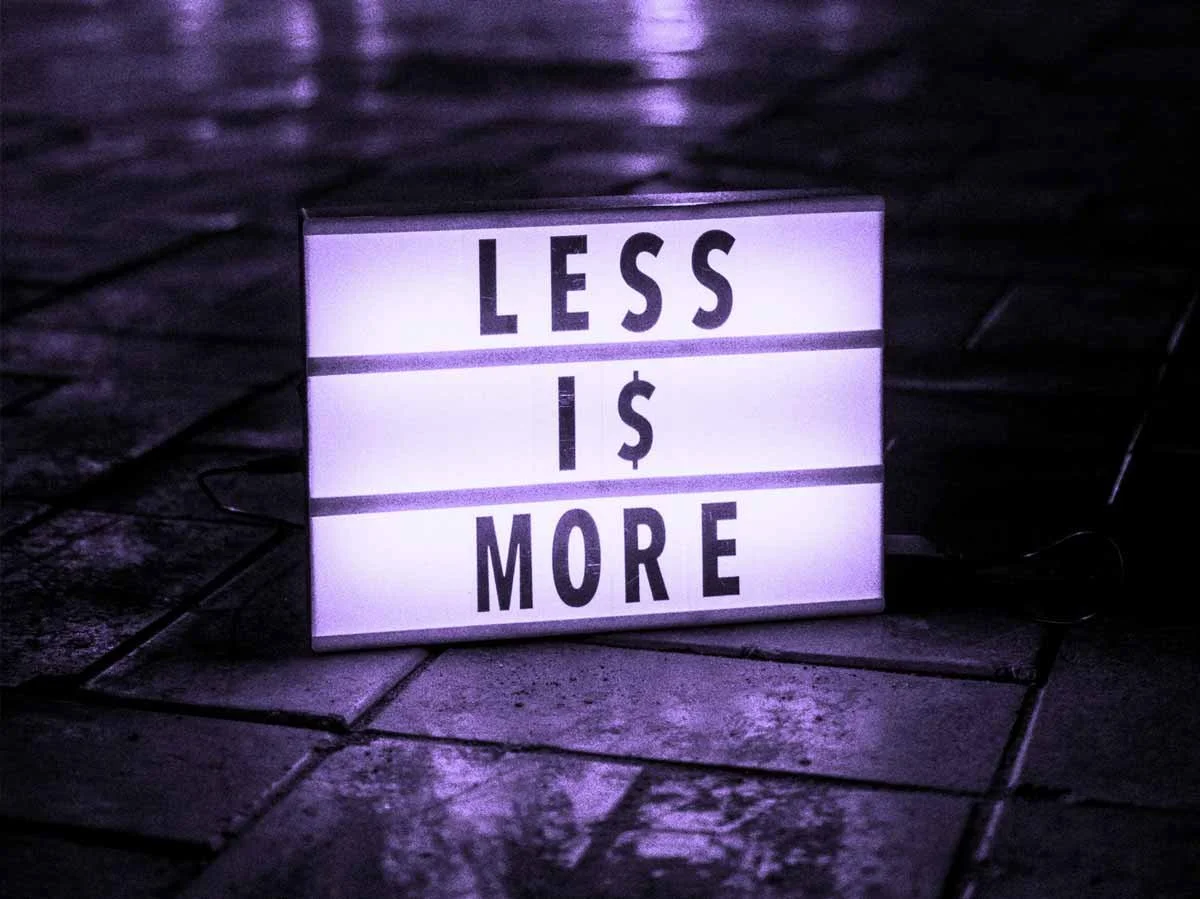
Good campaigns are usually surprisingly simple.
One core message.
One audience focus.
One clear action.
That simplicity matters because Q4 is already noisy.
Customers are overwhelmed with promotions, content, and competing offers everywhere they look.
The businesses that stand out are often the ones communicating the clearest message, not the loudest one.
Timing matters more than people realise
A lot of businesses only start thinking about Q4 once the season has already arrived.
But effective campaigns usually begin earlier than people expect.
Not necessarily publicly.
Strategically.
Because before launch, businesses often need time to:
clarify the offer
refine positioning
prepare visuals
align messaging
build anticipation
organise content
and create consistency across channels
Without that preparation, marketing starts feeling reactive very quickly.
And reactive marketing usually creates rushed decisions.
The campaign should fit the business
This sounds obvious, but it gets missed constantly.
A lot of businesses copy campaign styles that don’t actually suit:
their audience
their positioning
their pricing
or the kind of relationship they want with customers
Not every business needs aggressive discounts.
Not every brand benefits from urgency-heavy messaging.
And not every campaign should revolve around sales alone.
The deeper issue is often that businesses borrow tactics before understanding their own positioning properly.
Which is why campaigns tend to work best when they feel like a natural extension of the brand itself.
Strong marketing usually comes from consistency and clarity, not constant reinvention.
[17]
Good campaigns reduce decision fatigue
I think this is one of the most overlooked parts of campaign planning.
Great campaigns make decisions easier for customers.
They quickly answer:
what this is
who it’s for
why it matters
and what someone should do next
Weak campaigns often do the opposite.
They overload people with:
too many options
unclear messaging
inconsistent visuals
or vague offers that require too much interpretation
That difference changes everything.
Because customers rarely spend long trying to decode marketing.
If the value isn’t clear quickly, attention disappears.
Most campaign problems are clarity problems underneath
This is probably the biggest pattern I notice.
Businesses often think the campaign itself failed when really:
the positioning was unclear
the messaging was inconsistent
the audience targeting was too broad
or the offer wasn’t properly defined
In other words:
the campaign exposed existing clarity issues that were already there.
Which is why planning matters so much more than simply producing content fast.
Different business goals need different marketing approaches. Growth campaigns especially need clarity underneath them.
The best Q4 campaigns usually feel intentional
Not rushed.
Not desperate.
Not noisy for the sake of visibility.
Intentional.
Clear offer.
Clear timing.
Clear audience.
Clear message.
And honestly, that level of clarity is usually what customers respond to most.
Especially during busy seasons when attention is limited.
If your Q4 marketing currently feels reactive, inconsistent, or difficult to plan, the issue may not be creativity.
It may simply be that the strategy underneath the campaign hasn’t been clarified properly yet.
That’s exactly the kind of thing I help businesses shape through Ongoing Creative Support.
Related thinking
Maintain vs Grow: Two Very Different Marketing Approaches (Post 1)
Consistency Over Chaos: A Smarter Way to Market (Post 17)