13. Brand Reset vs Full Rebrand: What’s Right for You?
BRAND STRATEGY | 4 min read
Not every business needs a dramatic rebrand from scratch. Sometimes the real issue is misalignment, not reinvention. Here’s how to tell the difference.
A lot of businesses assume they need a full rebrand the moment things start feeling “off”.
But honestly, that’s not always true.
Sometimes the business has simply outgrown parts of its identity and needs realignment, not complete reinvention.
I think the word “rebrand” creates unnecessary panic sometimes.
People hear it and imagine:
changing everything
losing recognition
rebuilding from scratch
months of disruption
or suddenly becoming a completely different business overnight
And occasionally, that level of transformation is necessary.
But far more often, businesses don’t need a total reinvention.
They need clarity, alignment, and direction.
That’s usually where a brand reset comes in.
A full rebrand changes the identity itself
On the surface, a full rebrand and a brand reset can look similar.
Both might involve:
visuals
messaging
positioning
websites
content
customer perception
But the deeper intention is very different.
A full rebrand usually happens when:
the business has fundamentally changed
the audience has shifted dramatically
the positioning no longer fits
the reputation needs rebuilding
or the existing identity is actively holding growth back
In those situations, the business often needs a completely new foundation.
New positioning.
New identity.
New perception.
The goal isn’t refinement.
It’s transformation.
A brand reset is usually about alignment
This is where the confusion usually starts.
Because many growing businesses don’t actually have a broken brand.
They have an outdated or fragmented one.
The business evolved.
The branding didn’t fully keep up.
Maybe:
the visuals no longer reflect the quality of the work
the messaging feels unclear
the audience became more defined over time
the business matured
or marketing started feeling inconsistent
That distinction matters because solving the wrong problem can create unnecessary disruption.
A brand reset is usually about tightening and realigning what already exists.
Not throwing everything away.
Most businesses sit somewhere in the middle
This is probably the most important thing to understand.
Branding decisions rarely fall into:
“everything is perfect”
or“burn it all down and start again”
Usually, businesses sit somewhere in between.
They’ve outgrown parts of their identity, but not the entire thing.
And honestly, that’s a healthy sign.
Growth naturally creates tension between:
where a business started
and where it’s trying to go next
A good reset helps close that gap.
The signs you probably need a reset, not a full rebrand
Usually, a reset makes more sense when:
the business already has some recognition
customers trust the existing brand
the core direction is still right
the visuals simply feel inconsistent or outdated
messaging has drifted over time
marketing feels fragmented
or the business has become harder to explain clearly
In those cases, the goal is refinement and clarity.
Not reinvention.
Most growing businesses don’t suddenly become “wrong”. They simply outgrow older versions of themselves.
[25]
The risk of rebranding too aggressively
I think this gets overlooked a lot.
Sometimes businesses panic and change too much too quickly because they assume growth requires dramatic transformation.
But if customers already trust parts of the brand, removing all familiarity at once can actually create confusion.
Especially if:
the positioning was already strong
the reputation was positive
or customers emotionally connected with the existing identity
Good branding isn’t about novelty for the sake of it.
It’s about creating alignment between:
perception
experience
positioning
and direction
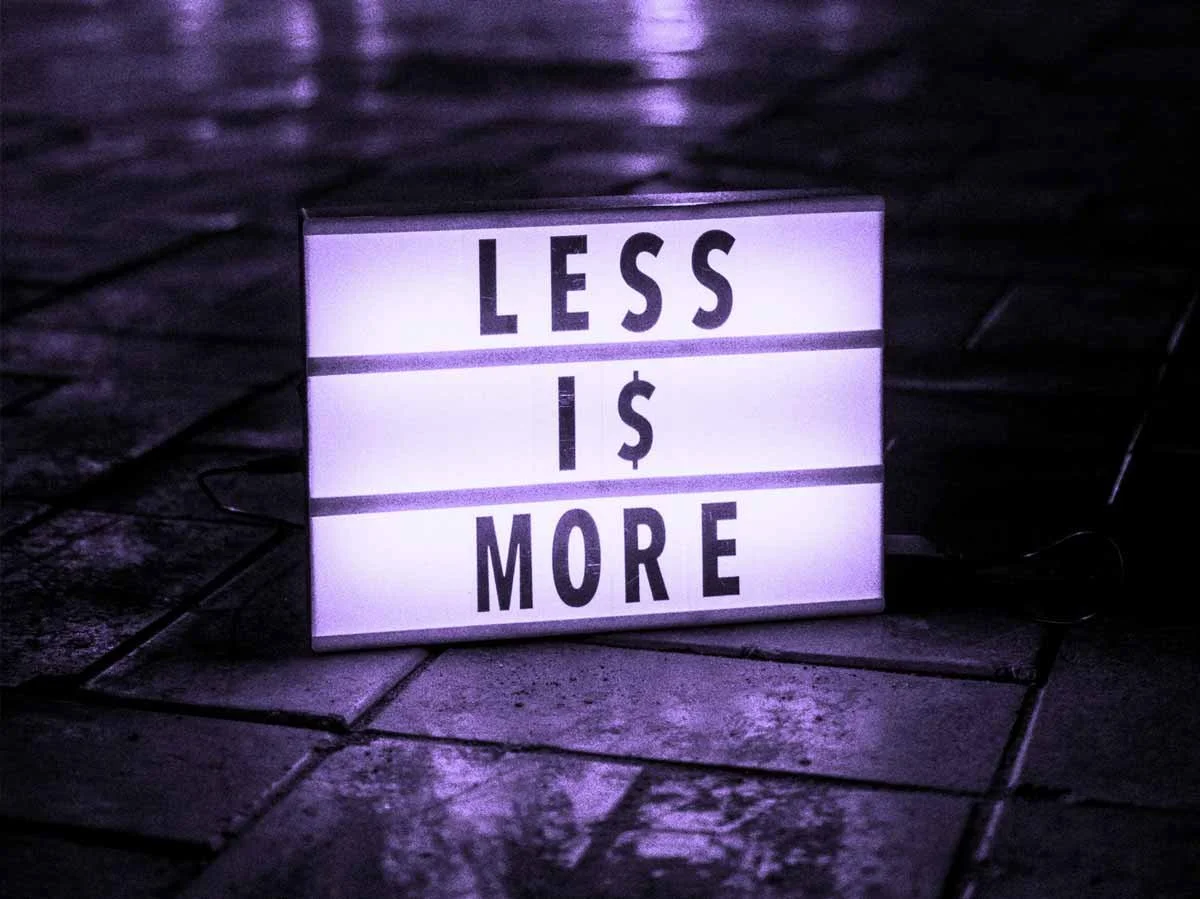
And sometimes that requires evolution more than revolution.
The real goal is clarity
Whether it’s a reset or a full rebrand, the deeper objective is usually the same:
Create a business that feels clearer, more aligned, and easier to trust.
Because once clarity improves:
marketing becomes easier
positioning becomes stronger
visual identity becomes more cohesive
and growth starts feeling more intentional
That’s also why branding decisions should almost always start with strategy and clarity first, not visuals alone.
The most valuable branding work usually happens before any design starts.
[31]
So which one do you actually need?
Usually:
a full rebrand changes who the business appears to be
a brand reset helps the business become a clearer version of what it already is
And honestly, most small businesses benefit far more from the second option.
Not because they should play safe.
But because sustainable growth usually comes from sharpening clarity, not constantly reinventing identity.
If your business currently feels visually inconsistent, difficult to explain, or slightly disconnected from where you are now, it may not need a complete rebuild.
It may simply need realignment.
That’s exactly what the Brand Reset is designed to help with.
Related thinking
Time for a Brand Reset? 7 Signs You’ve Outgrown Your Original Identity (Post 25)
What Happens Inside a 4 Week Brand Reset (Post 31)